

The Neighborhood Effect: Leveraging Local Businesses to Increase Your Property’s Value
Imagine two identical houses. They have the same square footage, the same number of bedrooms, and the same modern kitchen. One is on a quiet street with nothing nearby. The other is just a block away from a bustling main street with a popular coffee shop, a family-run bakery, and a charming bookstore. Which one is worth more?
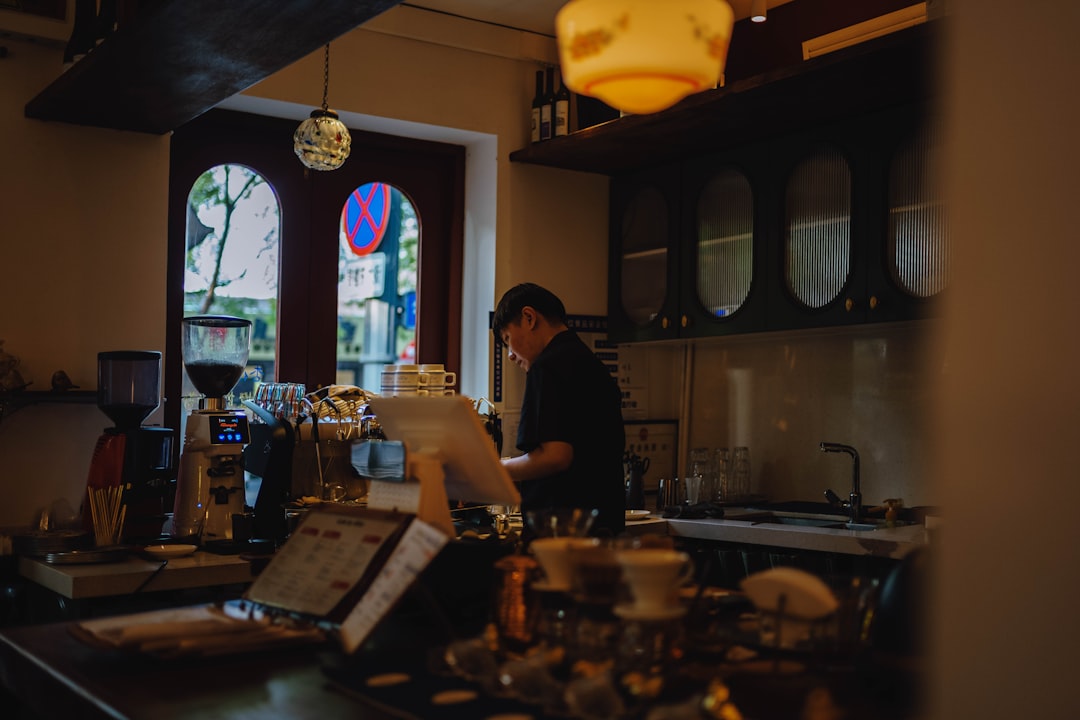
The answer is almost always the second one, and the difference in value is the core of “The Neighborhood Effect.” It’s the tangible financial impact that a vibrant local community has on your home. At dbs-realestate.com, we’ve spent years analyzing the complex factors that determine a property’s true worth. We understand that a home’s value isn’t just about square footage and finishes; it’s deeply connected to the street, the community, and the local businesses that bring a neighborhood to life. This guide will break down how this effect works and what you can do to leverage it.
Key Takeaways
- The Neighborhood Effect: The character and success of local businesses significantly impact the desirability and financial value of nearby homes.
- Walkability is a Premium: Homes in neighborhoods with a high concentration of walkable shops, cafes, and services command higher prices.
- “Third Places” Matter Most: Businesses that foster community, like coffee shops, local pubs, and bookstores, have an outsized positive effect on property values.
- Active Participation Pays Off: Homeowners can directly influence their property’s value by actively supporting and promoting their local business community.
- Expert Analysis is Key: A true property valuation considers the entire neighborhood ecosystem, a specialty of experienced real estate professionals.
TL;DR
The “Neighborhood Effect” describes how the health of local businesses directly increases your property’s value. A vibrant main street with coffee shops, boutiques, and restaurants makes a neighborhood more desirable, creating a “walkability premium” that buyers pay more for. By actively supporting these local businesses, homeowners can play a role in boosting their own investment.
The ‘Neighborhood Effect’ is a well-documented phenomenon where the quality of local businesses directly influences surrounding property values.
Defining the Neighborhood Effect in Real Estate
At its heart, the Neighborhood Effect is the idea that a home is part of a larger ecosystem. A strong local economy, evidenced by thriving independent businesses, signals a stable, desirable, and convenient place to live. This isn’t just about convenience; it’s about the psychology of home buying. People want to live in places with character, a distinct identity, and a sense of community. Local businesses are the primary drivers of this feeling, transforming a collection of houses into a genuine neighborhood.
The Neighborhood Effect: The measurable impact that the commercial and social character of a neighborhood—specifically the quality and density of its local businesses—has on the value of residential properties within it.
The Data Behind the Dollars
This concept is more than just a feeling; it’s backed by substantial data. Amenity-rich neighborhoods, those with a healthy mix of shops, services, and restaurants, tend to be more resilient investments, holding their value better during economic downturns and appreciating faster during growth periods. The presence of specific types of businesses can have a surprisingly direct correlation with home values. For example, the proximity to popular grocery store chains like Trader Joe’s or Whole Foods has been shown to significantly boost home appreciation rates. This data underscores a fundamental truth: the amenities outside your front door are a critical component of your property’s overall financial health.
A thriving local business scene creates a ‘walkability premium’ that modern buyers actively seek and are willing to pay more for.
What is Walkability and Why Does It Command a Premium?
Walkability is a measure of how friendly an area is to getting around on foot. In real estate, this is often quantified by a “Walk Score,” a number between 0 and 100 that assesses the walking distance to amenities. A high Walk Score has become a powerful selling point because buyers see a clear value proposition: convenience, reduced reliance on cars (and the associated costs), opportunities for social interaction, and a healthier, more active lifestyle.
According to a 2016 analysis by Redfin, a single-point increase in a home’s Walk Score was found to increase its value by an average of over $3,000. This “walkability premium” demonstrates that buyers are not just willing, but eager, to pay more for a home that places them at the center of a vibrant, accessible community.
How Local Businesses Fuel Walkability
Local businesses are the engine of walkability. A diverse mix of cafes, restaurants, small grocers, boutiques, and essential services creates a self-sustaining and desirable loop.
- Attraction: A great bakery or coffee shop draws people out of their homes.
- Foot Traffic: This creates consistent foot traffic on the streets.
- Safety & Vibrancy: Busy streets feel safer and more energetic, encouraging more people to walk.
- Demand: This increased vibrancy and sense of community drives up demand for homes in the area.
A single successful corner cafe doesn’t just sell coffee; it creates a destination, encourages strolling, and ultimately makes the entire block more valuable.
Not all local businesses are created equal; ‘third places’ that foster community have a disproportionately positive impact on a neighborhood’s appeal.
The Power of “Third Places”
Sociologist Ray Oldenburg coined the term “third place” to describe the social environments separate from the two primary ones of home (the “first place”) and work (the “second place”). These are the anchors of community life.
Third Place: A public setting, such as a coffee shop, pub, library, or park, that fosters informal social interaction and helps establish a sense of community.
These places are invaluable because they are the hubs of neighborhood life. They are where neighbors meet, friendships are formed, and local identity is forged. The presence of thriving third places signals to potential buyers that a neighborhood is friendly, engaged, and socially connected—qualities that are difficult to quantify but immensely valuable.
The Hierarchy of Impact: Which Businesses Add the Most Value?
While all local businesses contribute, some have a greater impact on the Neighborhood Effect. We can think of them in tiers of influence.
| Tier | Business Types | Primary Contribution |
|---|---|---|
| Top Tier | Coffee shops, high-quality bakeries, independent bookstores, pubs | Act as “third places,” fostering daily community interaction. |
| Mid Tier | Boutique fitness studios, specialty grocers, unique retail | Provide desirable lifestyle amenities and local character. |
| Foundation | Dry cleaners, hardware stores, pharmacies, repair shops | Offer essential convenience and everyday practicality. |
A neighborhood with a strong foundation is convenient, but one with a vibrant top tier is a true destination—and its property values will reflect that.
Homeowners can proactively contribute to their local business ecosystem and, in turn, enhance their own property’s long-term value.
Your Wallet is a Vote: The “Shop Local” Imperative
The most direct way to strengthen your neighborhood’s commercial health is to participate in it. Supporting local businesses should be viewed not as a chore, but as a direct investment in your own property’s equity. Every dollar spent at the neighborhood boutique instead of a big-box store is a vote for a more vibrant, valuable community.
- Choose the local cafe over the national chain for your morning coffee.
- Buy birthday gifts and holiday presents from the shops on your main street.
- Use the local hardware store for your weekend projects.
- Dine at the family-owned restaurant for a night out.
Become a Local Ambassador
Beyond spending money, you can become a powerful advocate for the businesses that make your neighborhood great.
- Leave Positive Reviews: A glowing review on Google, Yelp, or other platforms is free to you but incredibly valuable to a small business.
- Share on Social Media: Post a photo of your delicious meal or unique find and tag the business. This word-of-mouth marketing helps them reach a wider audience.
- Participate in Events: Attend farmers’ markets, street fairs, and “First Friday” art walks. Your presence contributes to the energy that makes these events successful. By building these relationships, you can help create a profitable local partner network that benefits everyone.
Engage with Neighborhood Associations and Planning
Get involved with local groups that advocate for your community. These associations often play a key role in beautification projects (like planting trees or installing better lighting), promoting business-friendly policies, and organizing community-building events. Your voice can help shape a future for your neighborhood that supports both residents and small businesses.
As real estate professionals, dbs-realestate.com analyzes a neighborhood’s commercial health as a key indicator of future property value.
How We Evaluate a Neighborhood for Buyers
The team at dbs-realestate.com understands that our clients are buying more than just a house; they’re investing in a community. Our agents look far beyond the four walls of a property. We conduct a thorough analysis of the surrounding neighborhood, assessing the mix of businesses, the vacancy rates on main street, and the number of new business openings. These are critical indicators of a neighborhood’s trajectory. Is it on an upswing, stable, or showing signs of decline? This deep-dive analysis provides our clients with crucial insight into the long-term investment potential of their purchase. Our team continuously publishes analyses on these trends, which you can find in our post sitemap.
Leveraging the Neighborhood Effect for Sellers
When we represent a seller, we don’t just market a house; we sell a lifestyle. We strategically highlight the property’s proximity to beloved local businesses and community hubs. Our marketing materials won’t just list the number of bedrooms; they will feature the “five-minute walk to the best croissants in town” or the “short stroll to the weekend farmers’ market.” By framing the property within its vibrant community context, we attract the right buyers—those who recognize and are willing to pay a premium for the lifestyle your neighborhood offers. To see the full scope of our services and informational resources, our site structure provides a complete overview.
Your Community is One of Your Greatest Assets
The connection between a thriving main street and a healthy property value is undeniable. The Neighborhood Effect is a powerful force in real estate, turning the charm of a local bookstore or the buzz of a popular cafe into real, measurable equity in your home. It proves that walkability is a premium worth paying for and that community-focused “third places” are the cornerstones of a desirable place to live.
Ultimately, investing in your community is one of the smartest real estate decisions you can make. By choosing to shop local, championing your favorite spots, and getting involved, you are not just being a good neighbor—you are being a savvy investor. The value it adds is measured not just in dollars, but in the quality of life it provides.