
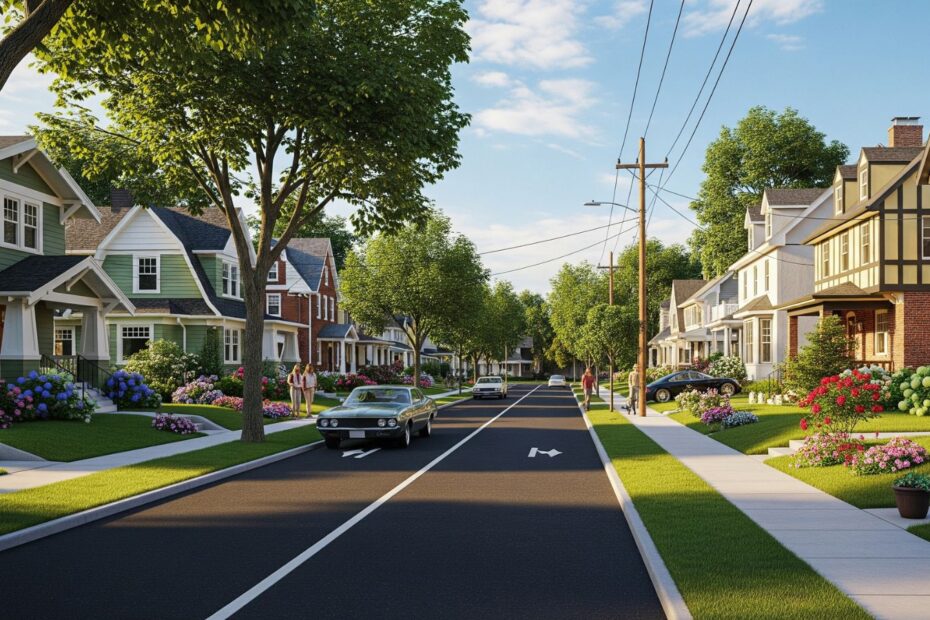
Pittsburgh is a city of bridges, neighborhoods, and fierce pride. But for many, the dream of living here extends beyond the city limits into the rolling hills and charming main streets of its surrounding suburbs. The question isn’t just if you should move to a Pittsburgh suburb, but which one is the perfect fit for you.
Choosing a suburb is about more than just finding a house you like; it’s about choosing a community where your lifestyle can flourish. It’s a significant decision, marking a major step in your journey toward home ownership. With so many fantastic options, each with its own unique character, how do you narrow it down?
This guide will walk you through the process of selecting the right Pittsburgh suburb by helping you define what truly matters to you and your family.
Step 1: Assess Your Core Priorities
Before you even start looking at listings, sit down and make a list of your non-negotiables. These are the practical, everyday factors that will have the biggest impact on your quality of life.
The Commute
Be realistic about how much time you’re willing to spend in traffic. Do you need to be downtown every day? Do you work from home but need easy access to the airport? Map out potential commute times from different areas (e.g., North Hills, South Hills, West) during rush hour. A 30-minute drive on a Saturday can easily become an hour on a Tuesday morning. This single factor can often be the deciding one.
School Districts
If you have children or plan to in the future, the quality of the local school district is paramount. Websites like Niche and GreatSchools offer detailed ratings and reviews for districts across Allegheny County. Even if you don’t have kids, a top-rated school district is a major driver of property values, making it a crucial consideration when investing in real estate.
Property Taxes
This is a big one in Western Pennsylvania. Property taxes can vary significantly from one municipality to another. A home in one suburb might have taxes that are thousands of dollars higher per year than a similarly priced home just one town over. Make sure you understand the millage rates and factor them into your overall budget.
Budget and Home Style
What is your realistic price range? Are you looking for a historic Victorian, a mid-century ranch, or new construction? Some suburbs, like parts of the North Hills, offer newer developments, while areas like Mt. Lebanon are known for their beautiful, older stone homes. Your budget will naturally guide you toward certain areas.
Step 2: Match the Vibe to Your Lifestyle
Once you have the practicalities sorted out, it’s time for the fun part: finding a community that feels like home. Every suburb has its own distinct personality. What kind of “vibe” are you looking for?
Walkable & Vibrant
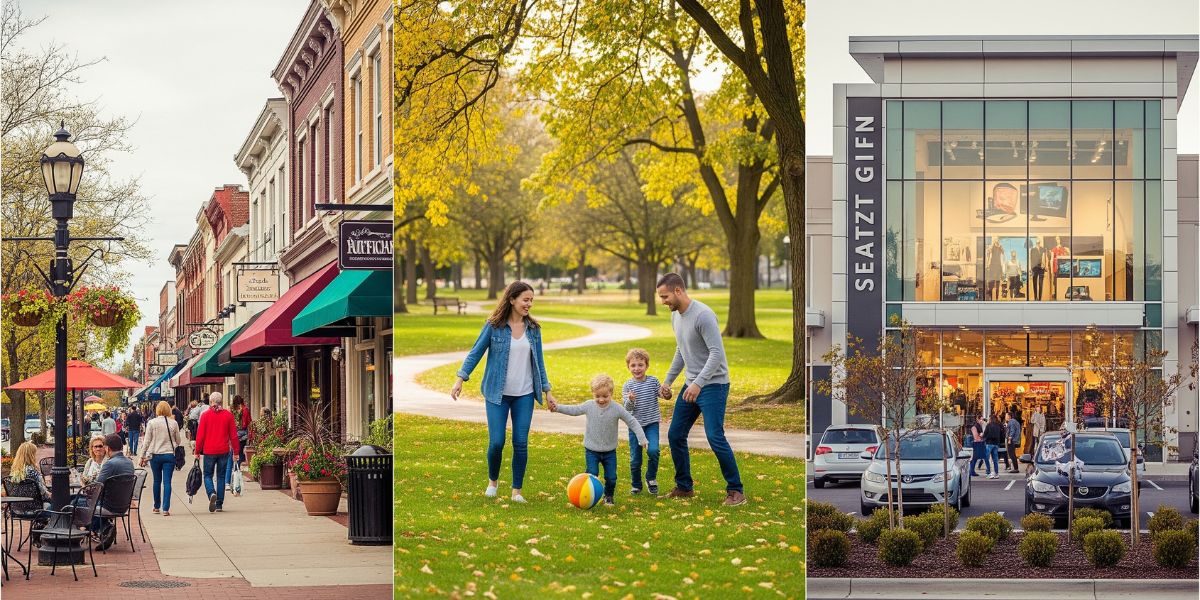
Do you dream of walking to a local coffee shop in the morning or having a variety of restaurants and boutiques just down the street? Suburbs like Mt. Lebanon, Sewickley, or Carnegie offer charming, walkable business districts that provide a more urban-suburban feel.
Quiet & Family-Oriented
Are you looking for spacious yards, quiet streets, and a strong sense of community centered around schools and parks? Areas like Upper St. Clair, Peters Township, or Franklin Park are known for their family-friendly atmosphere and abundant green space.
Connected & Convenient
Is your main priority easy access to shopping, major highways, and amenities? Suburbs like Ross Township or Robinson Township are major retail hubs where you’ll find everything you need just a short drive away.
Rural Charm
Do you want a bit more land and a slower pace of life? Heading a little further out to areas in Butler County or Washington County can offer a more rural setting while still being within a reasonable drive of the city.
Think about how you spend your weekends. Are you at kids’ soccer games, hiking in a park, trying new restaurants, or working on projects in your yard? Be honest about your lifestyle, and look for the suburb that supports it.
Step 3: Do Your Homework (And Your Fieldwork)
Now that you have a shortlist of potential areas, it’s time to dig deeper and experience them firsthand.
The Digital Deep Dive
Scour community websites and local social media groups. What events are happening? What are residents talking about? This can give you an unfiltered look at the community’s culture and any potential issues.
Visit at Different Times
A suburb can feel completely different on a quiet weekday afternoon than it does during rush hour or on a bustling Saturday morning. Drive through your target neighborhoods at various times to get a true sense of the activity level and traffic.
Be a “Local for a Day”
Don’t just drive through—stop and explore. Grab a coffee at a local cafe, walk down the main street, visit a grocery store, and spend some time in a public park. Pay attention to the details. Are the streets well-maintained? Are people friendly? Could you picture yourself running your daily errands here?
This hands-on research is invaluable. It’s the only way to know if a place truly feels right.
Putting It All Together
Choosing a suburb is a deeply personal journey. By clearly defining your priorities, understanding your desired lifestyle, and doing thorough research, you can move beyond simply looking at houses and start searching for a true home.
Once you’ve determined your priorities, you can start exploring specific areas. For a great starting point, check out our list of the best suburbs of Pittsburgh to see which ones might be a good fit. Happy house hunting!